Discovered in store, lost online: the dead end facing Chinese customers who love your brand
Chinese customers are finding you - in your store, through friends, on their feeds. What happens in the thirty seconds after they search for you decides whether that interest survives.
It usually starts well.
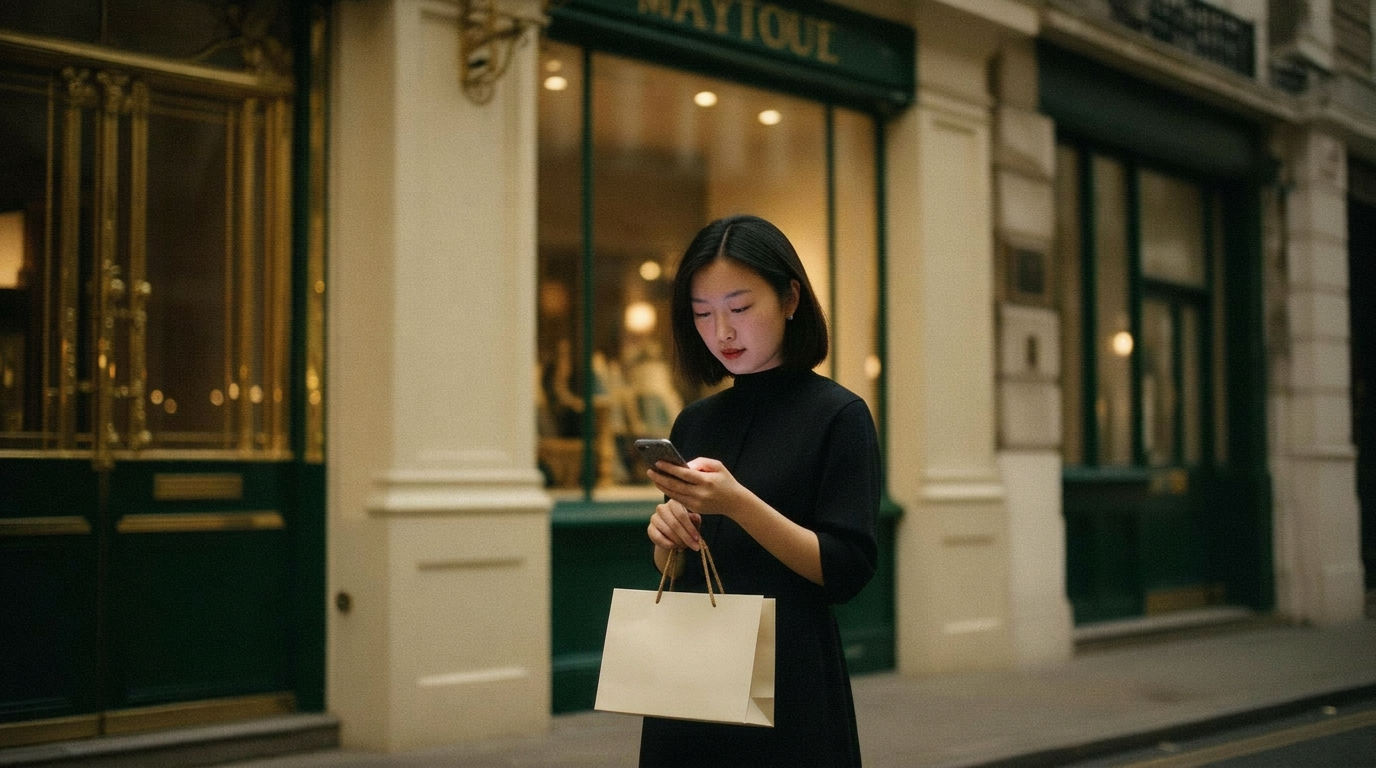
A visitor from Shanghai walks into your store on a Saturday afternoon. She wasn't looking for you - a friend mentioned the street, or a post she half-remembers led her to the neighbourhood. She picks something up, asks a few questions, buys it. She photographs the bag against the shopfront before she leaves. By that evening, the purchase is on her Xiaohongshu feed with a short caption: where she found you, what she paid, why she loved it.
This is the moment most brands never see. It happens in Chinese, on a platform you may never have opened, and it is - by any honest definition - marketing. Unpaid, credible, and aimed at exactly the audience luxury brands spend fortunes trying to reach.
Then comes the part that decides everything.
A reader in Guangzhou sees the post. She likes the piece. She does what more than 300 million monthly Xiaohongshu users do instinctively: she searches the brand name to learn more.
And she finds nothing.
"The interest was real. The search was real. The brand simply wasn't in the room.
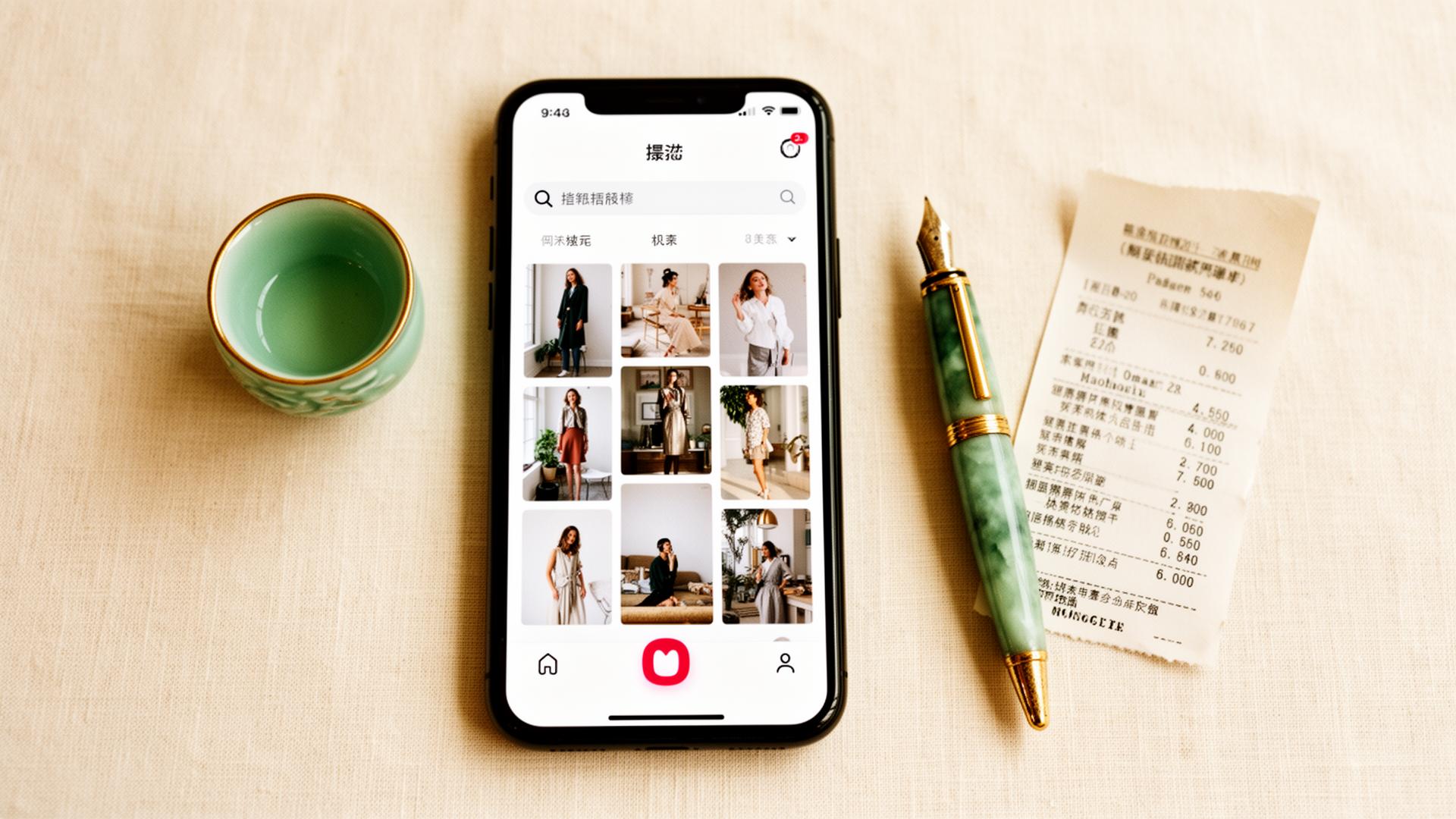
No official account. No product information in Chinese. Perhaps a scatter of other people's posts - a few photos, an approximated price, a guessed-at brand name written three different ways because nobody settled on an official one. There is nowhere to follow, nothing to save, no thread to pull. The interest doesn't convert. It doesn't even get rejected. It just stops.
We call this the dead end, and it is the single most common condition we see among independent British brands. Not absence from China - absence is rare, and getting rarer. Travel has recovered, tax-free shopping is back on the itinerary, and the new generation of Chinese visitors plans entire trips from Xiaohongshu guides. If your brand is good and your store is in London, you are almost certainly being discovered. The question is what happens next.
The dead end has a second, quieter cost. When a brand has no official voice, the conversation doesn't pause politely and wait. Other people fill the silence. Resellers set your prices. Casual posters describe your craftsmanship in whatever terms occur to them. Sometimes the community invents a Chinese nickname for you - and once a nickname spreads, it becomes your name, whether it suits the brand or not. Every month without an official presence is a month in which your brand identity in China is being written by strangers.
None of this requires a dramatic fix. It doesn't require a Chinese entity, a Tmall store, or a media budget. The first move is small and almost administrative: claim the ground. An official account, a verified name, product information written properly in Chinese, and someone answering the comments and messages that - for many of the brands we audit - are already arriving.
What it does require is the recognition that discovery has already happened. The customer in Shanghai did her part. The reader in Guangzhou did hers. The only party missing from the conversation was the brand.
Already talked about in China. The work is making it official.
SINOVERSE builds and manages official Xiaohongshu presences for independent designer and luxury brands. If you'd like to know what's already being said about your brand in China, begin with a conversation.